
Black Car Service, Explained
What a black car service is, where the American term comes from, its European equivalent, and what the colour actually signals: discretion, not decoration.
Ask an American executive assistant to “arrange a black car” and no colour chart is involved. A black car service is a pre-booked, fixed-price ride with a professional chauffeur in an unmarked executive vehicle, almost always a black sedan or SUV. The phrase is American in origin, but the thing it describes exists everywhere, and if you are travelling to Europe it helps to know what it is called here and what actually changes.
Where the Term Comes From
The term grew out of American livery regulation. In cities like New York, vehicles for hire split into two legal categories: taxis, which could be hailed on the street and were painted to be seen, and livery or “black cars”, which could only take pre-arranged bookings. The pre-arranged fleet standardised on black paint (formal, anonymous, easy to keep uniform), and the regulatory category became everyday language.
That history explains the two features that still define the service. It is pre-booked: a black car never cruises for passengers, so every journey has a name, a time and a destination attached before the car moves. And it is unmarked: no roof light, no livery, nothing that announces a passenger is being carried. Ride-hail apps later borrowed the vocabulary (premium tiers with “black” in the name), but the original model is a chauffeur company with its own cars and its own drivers, which is a different thing, as our executive car service guide sets out in detail.
What Is a Black Car, Concretely?
In the United States, the classic black car is a full-size sedan (historically the Lincoln Town Car, today more often a Cadillac or a Mercedes), with the black SUV, typically an Escalade or Suburban, as the larger option. The black sedan SUV pairing covers essentially all of the market: the sedan for one or two passengers, the SUV for groups, luggage or security details.
Europe runs the same model with different metal. Here the vehicle of the trade is the executive saloon, and the German marques dominate it.
| American black car | European equivalent | Typical use |
|---|---|---|
| Full-size black sedan (Lincoln, Cadillac) | Mercedes-Benz E-Class, BMW 5 Series | Airport transfers, business journeys |
| Premium black sedan (Mercedes S-Class) | Mercedes-Benz S-Class, BMW 7 Series | Board-level travel, client-facing journeys |
| Black SUV (Escalade, Suburban) | Mercedes V-Class people-mover | Groups, families, luggage-heavy trips |
| Ultra-luxury sedan | Mercedes-Maybach S-Class | The top of the market |
The mapping is not perfect (Europe favours the V-Class people-mover where America reaches for a large SUV, partly because European city streets and parking punish sheer bulk), but the roles are identical. A booker asking for “a black car from Schiphol” in Amsterdam will get an E-Class or S-Class; the service underneath is the one they expect from New York or Chicago.
What the Colour Actually Signals
It is worth being precise about this, because the colour is the least important part of the product and the most visible. Black paint signals three things.
Discretion. An unmarked black saloon is the most anonymous premium vehicle on the road. It could be waiting for a CEO, a lawyer, a family or nobody at all, and an observer cannot tell. For clients who do not want their movements advertised (and most corporate clients do not, once they think about it), that anonymity is a feature, not an aesthetic.
Formality without statement. Black is appropriate at a funeral, a wedding, a state visit and an earnings call. No other colour covers that range, which is why fleets standardised on it. The car never has to be matched to the occasion.
Fleet seriousness. A uniform black fleet is a small, checkable signal that an operator runs its own vehicles to a standard rather than brokering whatever is available. It is not proof (brokers know the convention too), but a mixed bag of colours and marques usually tells you something.
What the colour does not signal is quality of service. A black car with an unvetted driver and a variable price is a black taxi with better paint. The guarantees (fixed price, screened chauffeur, owned vehicle, accountability) are the product; the colour is the wrapper.
Booking a Black Car Service in Europe
Search for “black car service” in most European cities and you will find the same offering listed under different names: chauffeur service, executive car service, private driver. The vocabulary differs; the checklist does not. Confirm the price is fixed at booking, confirm the operator owns the vehicle, confirm the chauffeur is screened and will be identified to you, and for airport work confirm the pickup follows the actual flight rather than the scheduled one.
SilverDrive, founded in Amsterdam by Joshua Faerber, runs this model across the Netherlands and Europe as its core chauffeur service. The fleet is our own and predominantly exactly what an American booker means by black car: Mercedes-Benz E-Class, S-Class and Maybach, BMW 7 Series, the electric EQS and i7, and the V-Class for groups. Prices are fixed and agreed at booking, chauffeurs are screened and English-speaking, flight tracking is free on airport transfers, and the service runs 24/7. We are rated 4.7 out of 5.
For a US-based assistant arranging European ground transport, the practical translation is simple: book a chauffeur service with an owned black fleet and fixed pricing, and you have booked a black car.
Arrange One
If you need a black car in Amsterdam, anywhere in the Netherlands or across Europe, book with SilverDrive. Give us the route and timing and we will confirm the vehicle, the chauffeur and the fixed price, in writing, before the journey.
Frequently Asked Questions
What Is a Black Car Service?
A black car service is a pre-booked ride with a professional chauffeur in an unmarked black executive vehicle, typically a sedan or SUV. The term comes from American livery regulation, where pre-arranged hire cars were distinguished from street-hail taxis. It has become international shorthand for chauffeured transport that is booked in advance at a fixed price.
Why Are Chauffeur Cars Black?
Convention and discretion. Black became the livery standard because it reads as formal without drawing attention, photographs well at any event, and gives away nothing about who is inside. A black S-Class outside an office could be waiting for anyone, and that anonymity is precisely the point. It also keeps a fleet visually consistent.
What Is the European Equivalent of an American Black Car?
The executive saloon. Where an American operator runs black Lincolns, Cadillacs and Escalades, a European one runs the Mercedes-Benz E-Class and S-Class and the BMW 7 Series, with the Mercedes V-Class covering the SUV’s people-moving role. The service model (pre-booked, fixed price, professional chauffeur) is the same on both continents.
Is a Black Car Service the Same as a Limo Service?
In American usage they overlap heavily; many operators use the words interchangeably, and “limo” often just means a chauffeured sedan rather than a stretched vehicle. In Europe “limousine” can likewise simply mean a saloon car. If you want a stretch limousine specifically, say so; otherwise expect an executive sedan.
Does a Black Car Cost More Than a Taxi?
Per journey, usually somewhat more, though the fixed price means the comparison shifts with conditions: a metered taxi in heavy traffic or a surging ride-hail fare can cost more than a pre-agreed chauffeur quote. You are paying for a guaranteed vehicle, a screened driver and a price that cannot move, not for the paint.
Can I Book a Black Car Service in the Netherlands?
Yes. The model exists across Europe under the name chauffeur service or executive car service. SilverDrive operates it from Amsterdam across the Netherlands and Europe with its own fleet of black executive vehicles (Mercedes-Benz E-Class, S-Class and Maybach, BMW 7 Series) at fixed prices, available 24/7.
More from the Journal
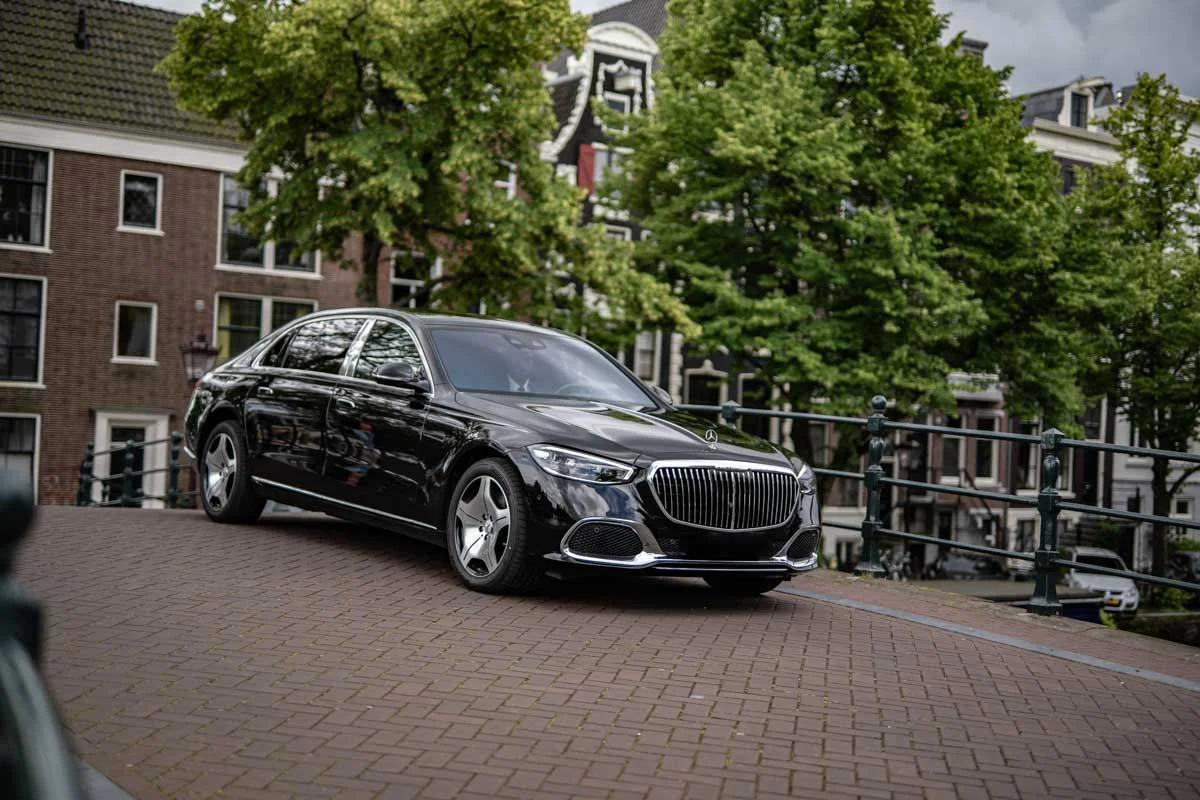
Chauffeur Service in Haarlem: The Quiet Side of Amsterdam
Chauffeur service in Haarlem: Schiphol transfers, the North Sea beaches at Zandvoort, bulb-field season and a medieval centre cars cannot enter.
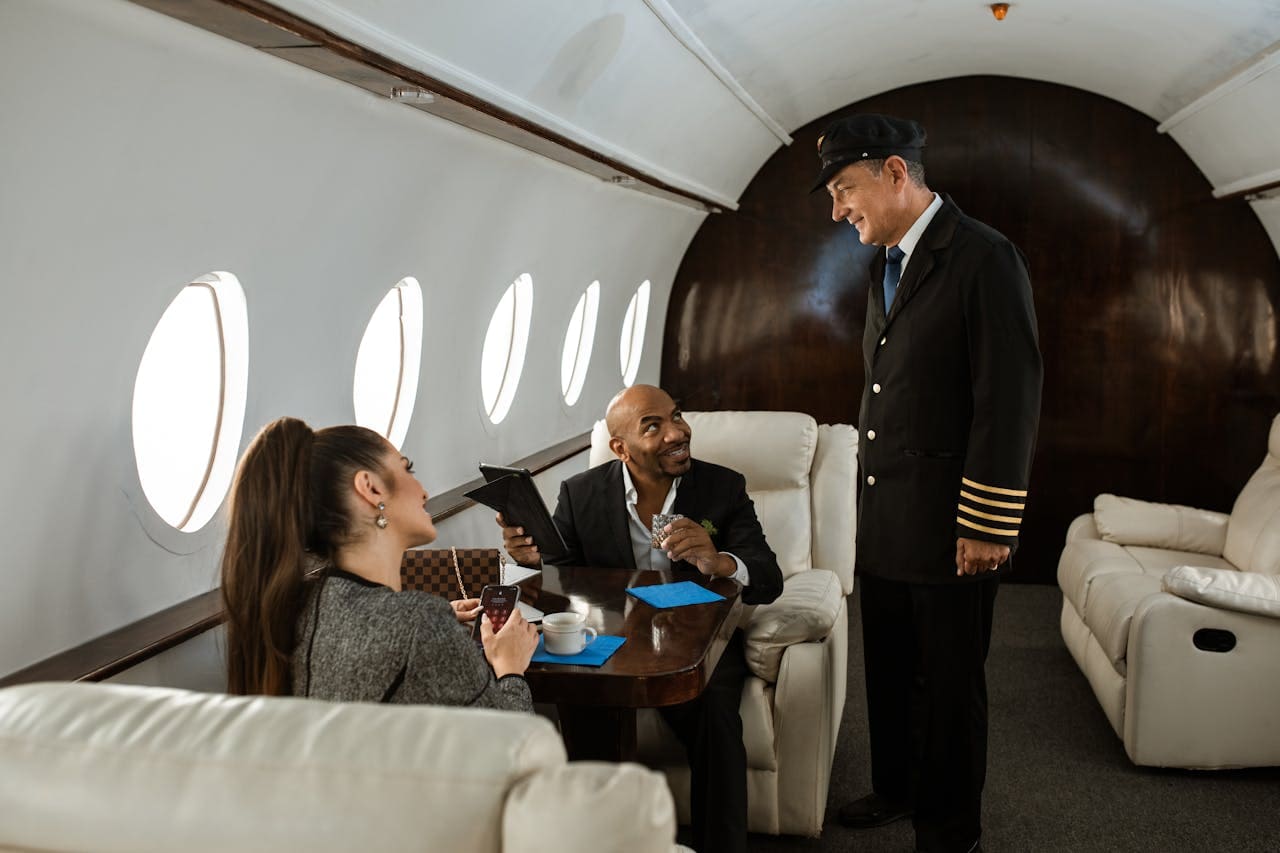
How to Become a Chauffeur: Licences, Skills and Getting Hired
How to become a chauffeur or private driver: the Dutch taxi driver card explained, licensing across Europe, what operators actually screen for, and the real job.

Wedding Transportation: Moving the Guests, Not Just the Couple
A practical wedding transportation guide: shuttle loops, vehicle mix, timings that hold, late-night returns and the contingencies that save the evening.